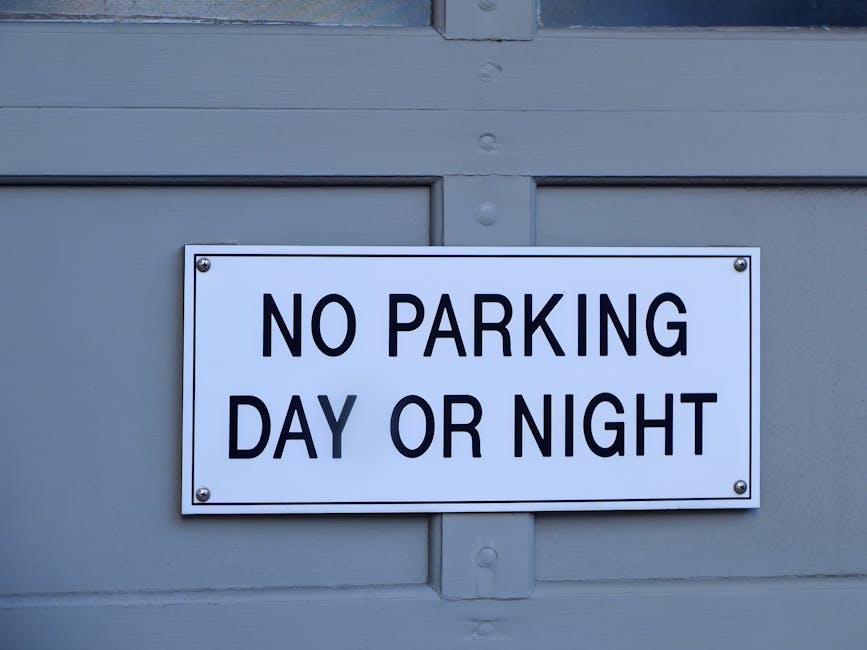
Restricted parking fines and removal van rules in W8: what movers need to know before the van arrives
If you are planning a move in Kensington, the last thing you want is a fine, a delay, or a van that cannot legally stop where you need it. That is exactly why understanding restricted parking fines and removal van rules in W8 matters. In a busy part of west London, a few minutes of bad parking can turn into a frustrating morning, and sometimes an expensive one too.
This guide explains the practical side of loading, waiting, stopping, and parking a removal van in W8. We will look at how restricted bays work, why fines happen, what drivers should check before arriving, and how to plan a move so it feels orderly rather than chaotic. Truth be told, a good moving day in London often comes down to the boring details done properly.
For readers organising a home move, flat move, or office relocation, the principles are the same: know the restrictions, allow slack in the schedule, and make sure the vehicle, permits, and access plan all line up. If you are comparing options, it can also help to review a trusted man and van service or a dedicated removal van option before you book.
Contents
- Why Restricted parking fines and removal van rules in W8 Matters
- How Restricted parking fines and removal van rules in W8 Works
- Key Benefits and Practical Advantages
- Who This Is For and When It Makes Sense
- Step-by-Step Guidance
- Expert Tips for Better Results
- Common Mistakes to Avoid
- Tools, Resources and Recommendations
- Law, Compliance, Standards, or Best Practice
- Options, Methods, or Comparison Table
- Case Study or Real-World Example
- Practical Checklist
- Conclusion
- Frequently Asked Questions
Why Restricted parking fines and removal van rules in W8 Matters
W8 is not a place where you can assume a van will be able to park casually outside a property. The area includes busy residential streets, controlled parking zones, loading restrictions, narrow roads, and stretches where a vehicle may be allowed only for limited purposes or times. A removal van is bigger, slower, and harder to tuck away than a car, so the margin for error is small.
That matters because moving day already brings enough pressure: neighbours coming and going, boxes stacked in the hallway, someone asking where the kettle is, and the driver trying to keep the clock moving. If the van ends up in the wrong place, you may be dealing with a penalty charge notice, a tow risk in some situations, or simply a painful delay while the driver circles the block. Not ideal. Not at all.
Restricted parking fines are not only about money. They can affect access, timing, and the safety of the move. If a van has to stop far from the door, portering heavy furniture becomes slower and riskier. That is why many people pair proper planning with useful support such as packing and boxes or packing and unpacking services, especially for larger moves where timing really matters.
Expert summary: In W8, the real cost of poor parking is usually not just the fine. It is the lost time, extra physical effort, and knock-on stress that can make the whole move feel twice as hard.
How Restricted parking fines and removal van rules in W8 Works
At a practical level, the rules come down to three things: where the van can stop, how long it can stay, and what it is doing while there. In London, loading and unloading can sometimes be treated differently from general parking, but that does not mean every restricted bay is automatically safe to use. Signs, road markings, local restrictions, and time windows all need to be checked carefully.
A removal van driver should look for things like controlled parking bays, single or double yellow lines, resident permit bays, loading-only areas, red route style restrictions where applicable, and any suspension notices. Sometimes a bay that looks usable is actually suspended. Sometimes a side street appears quiet but has very specific hours. The devil is in the details, as they say.
The best practice is to plan the vehicle location before moving day, not while the team is standing on the pavement with a wardrobe halfway out of the flat. If you are using a full-service moving team, a larger vehicle such as a moving truck or a flexible removal truck hire solution may be suitable, but the access rules still need checking first.
In many cases, the moving team will try to load quickly and keep the vehicle attended, which is sensible. But a driver must still follow the restrictions in force. A short stop can still count as a contravention if it is not permitted. So, no, "I was only there for five minutes" is not much of a defence.
What usually causes fines
- Stopping in a resident-only bay without permission
- Overstaying a loading period
- Blocking a yellow line during restricted hours
- Using a suspended bay because the sign was missed
- Parking too far from the property and leaving the vehicle unattended
- Assuming a moving van has the same freedom as a car or private vehicle
Key Benefits and Practical Advantages
When you understand the parking rules ahead of time, the move tends to feel calmer and more controlled. That is the main advantage. But there are several others that are easy to overlook until you have been through a move the hard way.
- Lower risk of fines: fewer surprises and fewer penalty notices.
- Faster loading and unloading: the van is positioned where the team actually needs it.
- Better protection for belongings: less carrying distance means less chance of bumps and knocks.
- Less stress on the day: everyone knows the plan instead of improvising on the pavement.
- Improved neighbour relations: you are less likely to block access or create unnecessary disruption.
There is also a commercial benefit if you are moving a business. Office relocations can collapse into lost time very quickly if parking goes wrong, especially when equipment, desks, and files are being moved in stages. A well-prepared plan can make a big difference, and services like office relocation services or commercial moves are often chosen for exactly that reason.
Who This Is For and When It Makes Sense
This topic matters to more people than you might think. It is not only for large houses or complicated business relocations. In W8, even a modest flat move can involve awkward access, tight parking, and restricted stopping zones.
You will especially want to think about the rules if you are:
- moving from or into a mansion block, terrace, or basement flat
- using a side street with resident parking controls
- moving at a busy time of day
- arranging a same-day or short-notice removal
- moving bulky items such as wardrobes, sofas, pianos, or office furniture
- collecting or delivering items where the vehicle may need to wait briefly
It also makes sense for students, landlords, and people clearing properties between tenancies. A smaller move still needs a sensible plan, especially if the street is narrow or the parking is limited. If you are doing a lighter move, services such as student removals or flat removals may be a better fit than a bigger vehicle and a guess-it'll-be-fine approach.
To be fair, a lot of people only think about parking once the van has already arrived. That is usually when the stress starts. A little forward planning avoids all that.
Step-by-Step Guidance
Here is a straightforward way to plan around restricted parking and removal van rules in W8 without making the process complicated.
- Check the street conditions first. Look at the road outside both addresses. Think about width, turning space, nearby bays, and whether there is anywhere sensible for a van to pause.
- Read every sign on arrival. Do not rely on memory, and do not assume one sign applies to the whole street in the same way. Restrictions can vary by bay and by time.
- Match the van size to the access. A smaller vehicle can sometimes save a lot of trouble. In some cases, a man with van setup is more practical than a larger lorry-style vehicle.
- Build in time for loading. If the van must use a loading zone, make sure the team can move efficiently. Keep the most essential items ready first.
- Tell the moving team about any restrictions in advance. Mention yellow lines, resident bays, timed loading bays, gate access, porters, or a particularly awkward entrance.
- Protect the unloading sequence. Think about which room each box should go to. This reduces the number of times the van needs to be in the way.
- Have a backup plan. If the first parking option is unavailable, know the next best place before moving day begins.
A small detail that helps: keep keys, building entry fobs, and any access instructions in one place. It sounds obvious, but on moving day the obvious bits are often what go missing first.
Expert Tips for Better Results
Over the years, one pattern shows up again and again: the moves that go best are rarely the ones with the fanciest kit. They are the ones where access was thought through early.
1. Aim for the shortest possible carry. If a van can legally stop a little closer, even if only for a loading period, the whole move becomes easier. Less distance means less time and fewer chances to bump a wall, bannister, or corner. Anyone who has wrestled a sofa through a narrow hallway will know what that means.
2. Avoid "hope parking". Hope is not a parking strategy. If a bay looks tight, restricted, or unclear, treat it as a risk until proven otherwise.
3. Keep the heaviest items closest to the van. If you are loading by hand over a longer distance, prioritise the heavy furniture first so the team is not exhausted before the lighter boxes are even touched.
4. Use the right service level for the move. A larger home or office may benefit from a more structured service such as removals or house removals, while a smaller collection might be handled more efficiently with a compact van-based option.
5. Ask about timing flexibility. In a restricted area, the exact arrival time matters more than usual. A good moving plan leaves room for traffic, one-way streets, and a stubborn parking spot. Because London, well, London.
Common Mistakes to Avoid
Most fines and delays come from a small number of avoidable mistakes. Nothing dramatic. Just ordinary oversights that snowball.
- Assuming loading is always allowed. Loading may be permitted in some circumstances, but not everywhere and not at all times.
- Ignoring suspension notices. Temporary suspensions are easy to miss if you are in a rush.
- Leaving the van unattended. A quick dash inside can still lead to a problem if the vehicle is in the wrong place.
- Using a large van where a smaller one would fit better. Bigger is not always better in W8. Sometimes it is just bigger, and that is the issue.
- Failing to brief the driver. If the driver is not told about access limits, they may arrive with a plan that does not suit the street.
- Forgetting building rules. Parking is one layer; entrance times, lift bookings, and porter arrangements are another.
One of the most common headaches is when the client assumes the driver can "just wait a minute" in a restricted bay. If the rules say no, then no is still no. Harsh, but there it is.
Tools, Resources and Recommendations
You do not need a complicated toolkit to manage parking for a move, but a few practical items make life easier.
- Phone photos of signs and markings: useful if you need to double-check what was in place when the van arrived.
- Printed moving notes: handy if your phone battery is busy, or your hands are full.
- Simple room labels: these speed up unloading and reduce time spent with the vehicle on the street.
- Clear access instructions: include gate codes, floor numbers, lift details, and any limits on vehicle height or size.
- Planning buffer: leave a cushion for traffic or unexpected parking issues.
If you are comparing providers, check whether the company is transparent about moving conditions, insurance, and payment clarity. A reputable provider should have a clear insurance and safety approach and straightforward pricing and quotes information. That makes the whole process feel a lot less fuzzy.
For larger or delicate items, it can also be worth reviewing piano removals or furniture removals if those items need specialist handling. Parking pressure and heavy lifting are a poor combination, so planning the transport properly pays off.
Law, Compliance, Standards, or Best Practice
Parking control in London is governed by local restrictions, road signs, and enforcement practice. For movers, the practical rule is simple: if a restriction applies, it needs to be respected unless there is a clear and lawful reason not to. That includes time-limited loading, permit bays, and temporary restrictions. Because this can vary by street and by time of day, it is wise to treat each job as a fresh check rather than relying on what worked on a previous move.
Best practice in the removals industry is to:
- confirm the access plan before the vehicle is dispatched
- match vehicle size to the available stopping space
- avoid blocking traffic or neighbouring driveways
- keep the loading process as efficient and safe as possible
- respect local residents and building managers
It is also sensible to keep safety front and centre. A quick but careless loading job can create more damage than a slower, controlled one. That is why many customers look closely at a provider's health and safety policy and broader service standards before booking.
In short: follow the signs, plan the stop, and do not assume the street will make an exception for a moving day.
Options, Methods, or Comparison Table
Different moving setups suit different parking conditions. Here is a simple comparison to help you think it through.
| Option | Best for | Parking impact | Practical note |
|---|---|---|---|
| Smaller van | Single flats, smaller loads, tight streets | Often easier to position legally | Can reduce walking distance and loading time |
| Larger removal vehicle | Full-house moves, heavier loads | Needs more space and more careful planning | Efficient if access is suitable |
| Multi-trip moving plan | Awkward access or limited parking | Lower risk of blocking the street for long periods | Can take longer overall, but sometimes safer |
| Storage-first approach | Staged moves, renovations, uncertain dates | Can reduce pressure on one single loading day | Useful where access is unpredictable |
If your move is complex, a storage option may give you breathing room. That can be especially useful when property handovers, decorating, or lease dates do not line up neatly. A look at storage can help if you need that kind of flexibility.
Case Study or Real-World Example
A typical W8 move might involve a first-floor flat, a narrow street, and a van needing to stop as close as possible to the building entrance. The mover arrives early, checks the signs, and spots that the nearest bay is restricted at that hour. Instead of forcing the issue, the driver uses the planned backup spot around the corner, which is legal but slightly less convenient.
The result? The team carries boxes a little further, but the move stays calm. No fine. No argument. No frantic rearranging of the schedule. The client had packed well, the boxes were labelled, and the bulky items had been separated sensibly. It still took effort, of course. Moving always does. But the parking issue never became a crisis.
Now compare that with the alternative: the van stops in a bay that looks okay, someone assumes it is fine, the driver leaves the vehicle, and a ticket appears by the time the wardrobe is halfway out. That is the sort of thing that turns an ordinary moving day into a small disaster. Nobody needs that.
For moves with lots of lifting, awkward stairwells, or time pressure, a careful service choice makes a real difference. Some households prefer a straightforward home moves arrangement, while others need the broader support of removal services. The right fit depends on access as much as on volume.
Practical Checklist
Use this checklist before the van arrives.
- Have you checked parking signs outside both addresses?
- Do you know whether loading is allowed at the planned time?
- Is there a backup stopping point if the first option is unavailable?
- Has the moving team been told about access issues, permits, or restrictions?
- Are the largest items packed and ready to go first?
- Have you booked any lift, entry, or building access in advance?
- Are boxes labelled by room to keep unloading efficient?
- Do you know where the driver can safely pause if there is a delay?
- Have you confirmed the vehicle size is suitable for the street?
- Are keys, fobs, and contact details easy to reach?
If you can tick most of those off, you are in a much stronger position. Simple, but effective.
Conclusion
Restricted parking fines and removal van rules in W8 are not glamorous, but they are one of the biggest factors in whether a move feels manageable or messy. In a busy part of London, parking is part of the moving plan, not an afterthought. Once you accept that, the whole job gets easier to organise.
The winning formula is usually a mix of early checks, honest communication, the right size vehicle, and a little buffer time. Nothing fancy. Just solid planning and a practical mindset. And if you are moving a full home, office, or a few awkward bits of furniture, it is worth choosing a setup that fits the street rather than fighting the street.
Get a free quote today and see how much you can save.
One final thought: a calm moving day is rarely an accident. It is usually the result of careful little decisions made before the doorbell rings.
Frequently Asked Questions
Can a removal van stop on yellow lines in W8?
Sometimes loading or unloading may be permitted in limited circumstances, but you should never assume yellow lines are automatically okay. The exact restriction, time of day, and local signage matter. If the street looks tight, it is better to plan another stopping point in advance.
Do removal vans get fined for short stops?
Yes, they can. A short stop is still a stop if it breaches the restriction in force. That is why it is so important to read the signs carefully rather than relying on the idea that "it will only be a minute."
How do I avoid parking fines during a house move in W8?
Check the street early, brief the driver, choose the right vehicle size, and build in a backup plan. Clear packing also helps, because the faster the load, the less time the van spends near restrictions.
Is a smaller van better for restricted parking areas?
Often, yes. A smaller van is usually easier to position in narrow streets and may be simpler to place legally than a larger vehicle. That said, the best choice still depends on how much you are moving and how much access space you actually have.
What should I tell the removals team before moving day?
Tell them about permits, loading bays, tight turns, building rules, lift bookings, gate codes, and anything else that might slow access. The more precise you are, the less guesswork there is on the day.
Can I reserve a parking space for the removal van?
In some situations there may be local arrangements or permissions, but this is not something to assume will be available everywhere. Because parking controls vary, it is best to check the local rules and confirm what is actually allowed for your street.
What happens if the van cannot park near my property?
If the van must stop further away, the team will usually need more time for carrying items. That may make the move slower, but it is still manageable if the schedule has a buffer and the boxes are labelled clearly.
Are office moves affected by the same parking rules?
Yes. Office relocations often have the same or even greater access pressure because equipment, furniture, and documents need to move efficiently. A structured approach, such as office removals, can help keep the day under control.
Should I choose storage if parking access is uncertain?
Storage can be a smart backup if your move dates or access conditions are not lining up neatly. It gives you breathing room and can reduce the pressure of trying to do everything in one rushed window.
Do I need special help for bulky furniture or heavy items?
For large or awkward items, yes, specialist handling is often worth it. Heavy pieces and restricted parking are not a great mix. Services like furniture removals can make the job safer and simpler.
What is the biggest mistake people make with restricted parking in W8?
The biggest mistake is assuming the vehicle can just stop wherever seems convenient. In a controlled area, that assumption can become costly very quickly. It is usually better to spend five minutes checking than five days annoyed about a fine.
How can I make moving day less stressful overall?
Keep the parking plan simple, pack early, label boxes properly, and choose a service that suits your property and access conditions. A little prep goes a long way. Honestly, that is half the battle.